
Taming the afternoon sun: west-facing windows in Arlington Heights homes
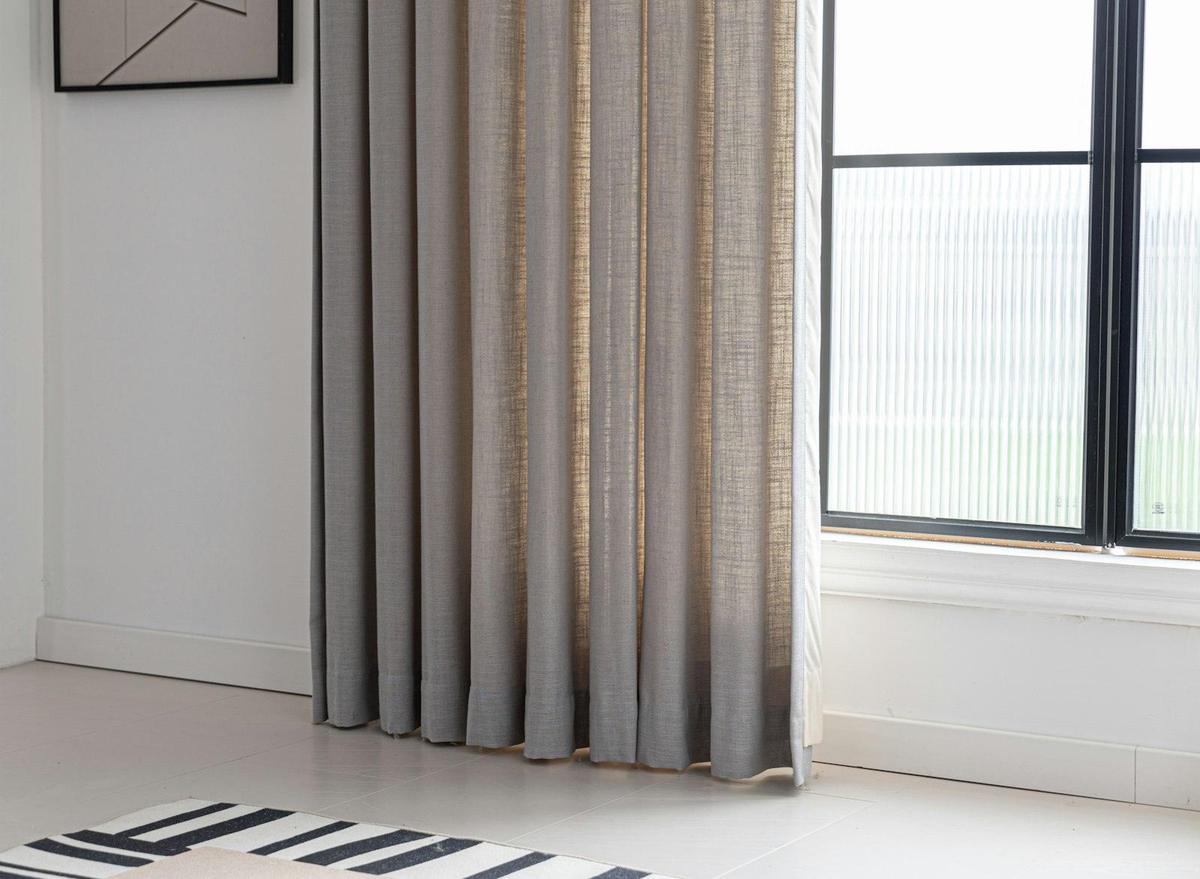
For a west-facing window, the most effective setup is usually two layers: a shade that controls glare and heat during the late afternoon, and a lined drapery or a second shade for evenings and privacy. Which shade depends on whether you want to keep the view, darken the room, or hold heat out.
Arlington Heights has plenty of older homes, and plenty of west windows. If one of your main rooms faces west, you already know the problem. In Texas it means a few hours every afternoon when the light comes in low, straight into your eyes, and the room heats up. The morning is easy. The problem is roughly four o'clock onward, most of the year.
Here is how we think about it when someone brings us photos of a west window.
First, decide what you are actually fighting
West light causes three different problems, and each one has a different best answer:
- Glare. You cannot see the television, the screen, or the person across the room. You want to soften the light, not kill it.
- Heat. The room is several degrees warmer than the rest of the house by dinner. You want an insulating layer between the glass and the room.
- Fading. Rugs, wood floors, and upholstery near the window lose color over the years. You want to block direct sun from reaching them during the worst hours.
Most west rooms have all three, but one usually matters most. Tell us which one, and the choice gets much simpler.
If glare is the problem: sheer shadings
Hunter Douglas sheer shadings such as Silhouette, and privacy sheers such as Luminette, sit between a shade and a sheer curtain. Soft fabric vanes tilt to diffuse the light, so the room stays bright and you can still see out, but the hard beam of afternoon sun is broken up. They are a good fit for a living room where you want the window to stay part of the room. You can see both working in our showroom, which is the fastest way to judge how much they cut the glare.
If heat is the problem: honeycomb shades
Honeycomb shades, also called cellular shades (Hunter Douglas calls its line Duette), are built from pleated fabric that forms pockets of air. That trapped air works as an insulating layer against the glass. They come in light-filtering and room-darkening fabrics, and a top-down, bottom-up option lets you lower the top of the shade for light and keep the bottom closed for privacy. On a hot west window, this is usually where we start.
If fading is the problem: lined draperies, plus a shade
A drapery with a proper lining protects the face fabric and puts a real layer between the sun and your furniture. Pair it with a shade you can close for the few worst hours and the floor near the window gets a break. If you want the drapery itself to block light, a blackout lining does that. Our post on drapery linings explains the choices, and every drapery we make is sewn in our own workroom.
Older windows need careful measuring
Windows in older houses are not always square, and casings and sills vary from one room to the next. That affects whether a shade can mount inside the frame or should mount outside it, and how a drapery rod clears the trim. It is one of the reasons we take the measurements ourselves at the consultation instead of asking you to. A shade that is off by a small amount is a shade that lets a stripe of sun through all afternoon.
Hard-to-reach windows
Some Arlington Heights homes have tall windows, transoms, or windows behind furniture. Motorized shades let you lower them on a schedule, so the shade closes before the sun reaches the room even when nobody is home. Ask about motorization when you visit; it is easier to plan in from the start than to add later.
What to do next
Take a photo of the window in the late afternoon, with the sun on it, and bring it to the showroom at 5700 W Vickery Blvd, or request a free consultation and we will come look. We can show you the options side by side and measure it properly.
Interior Fabrics is a family owned Hunter Douglas Gallery Dealer and custom workroom in Fort Worth. We never quote prices online: every piece is made to your window, so an honest number comes after we have seen it.